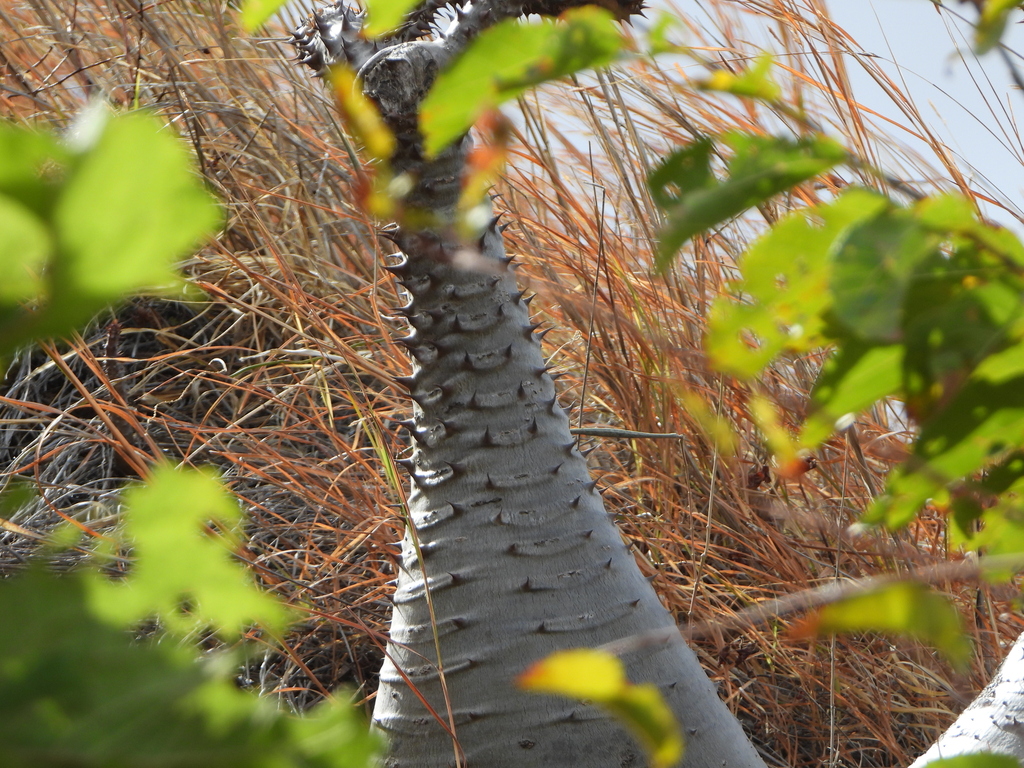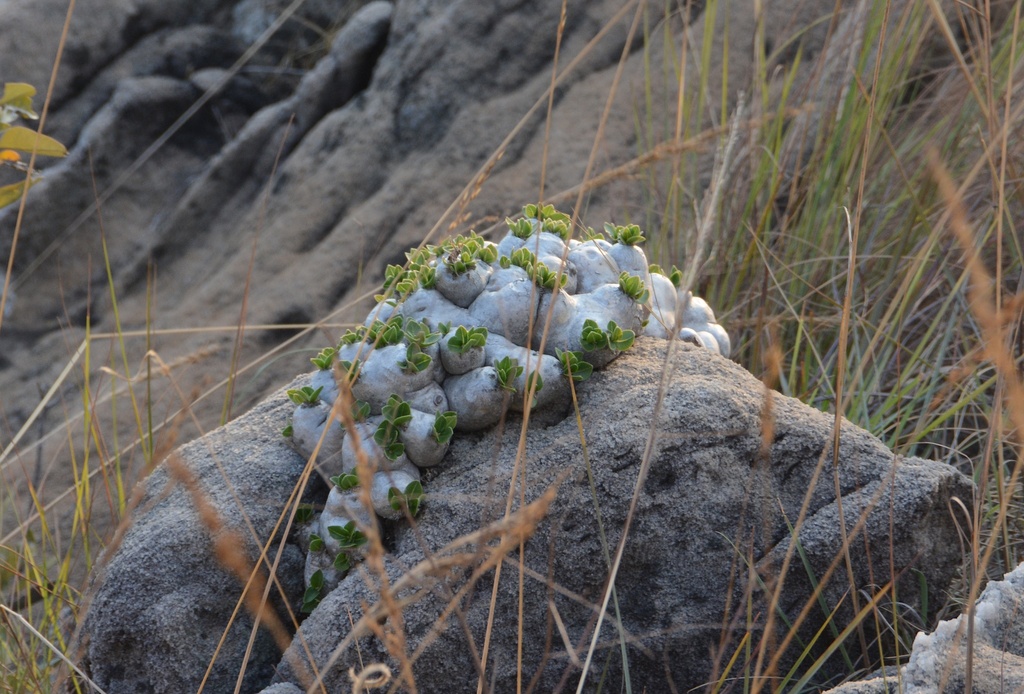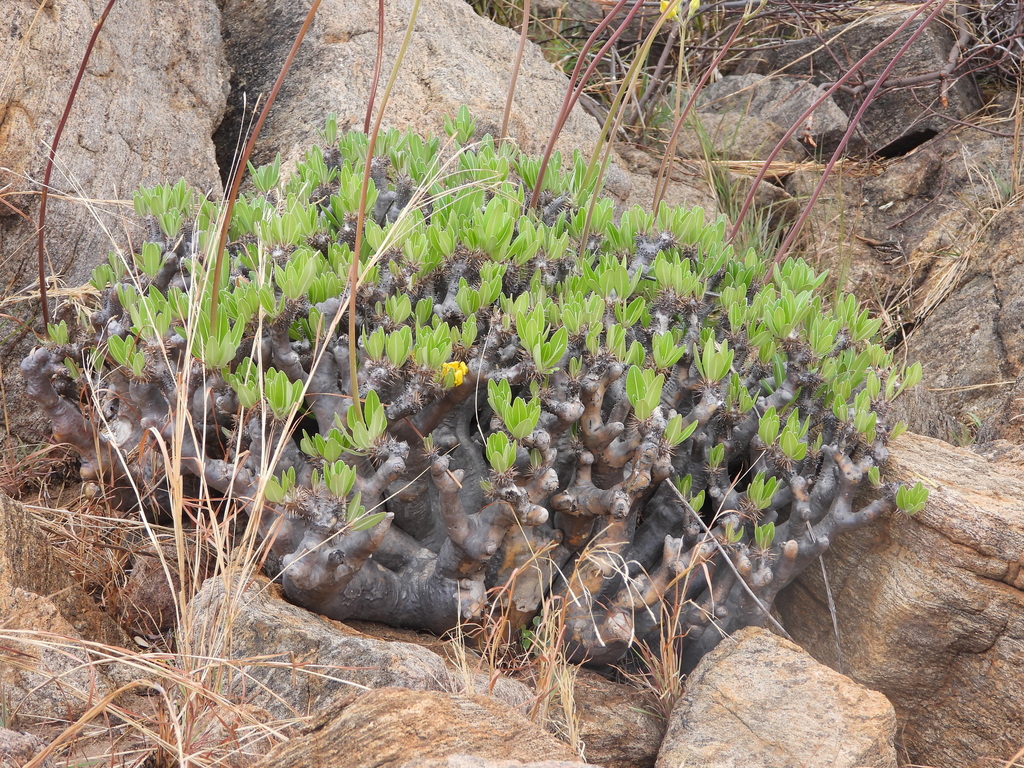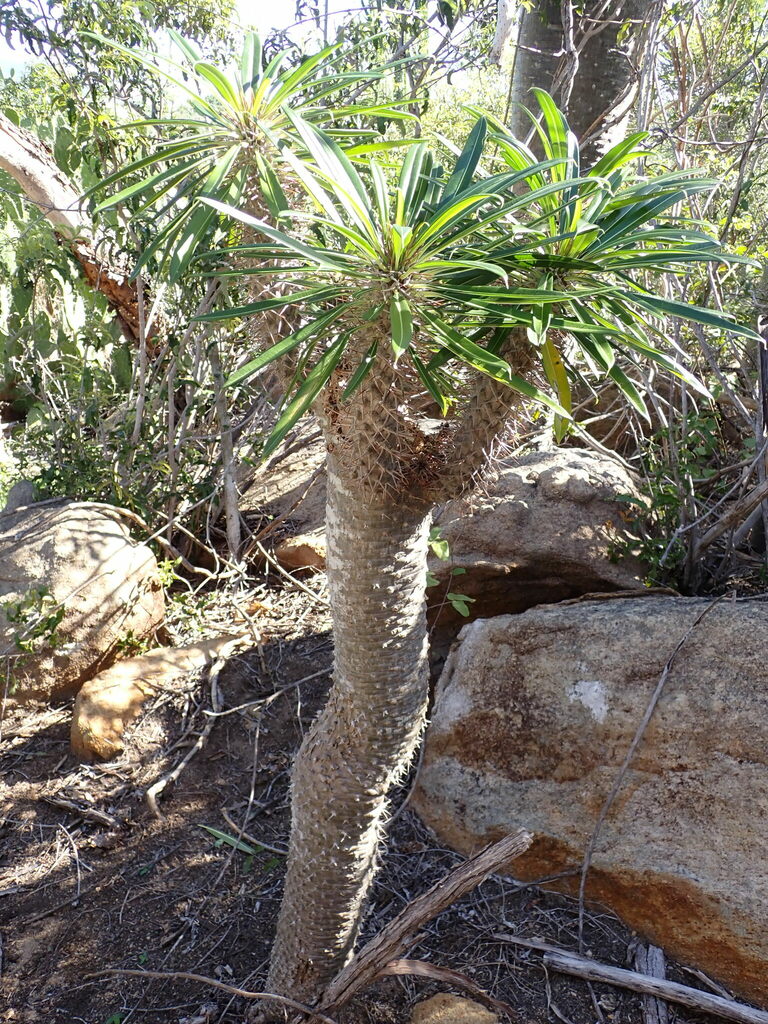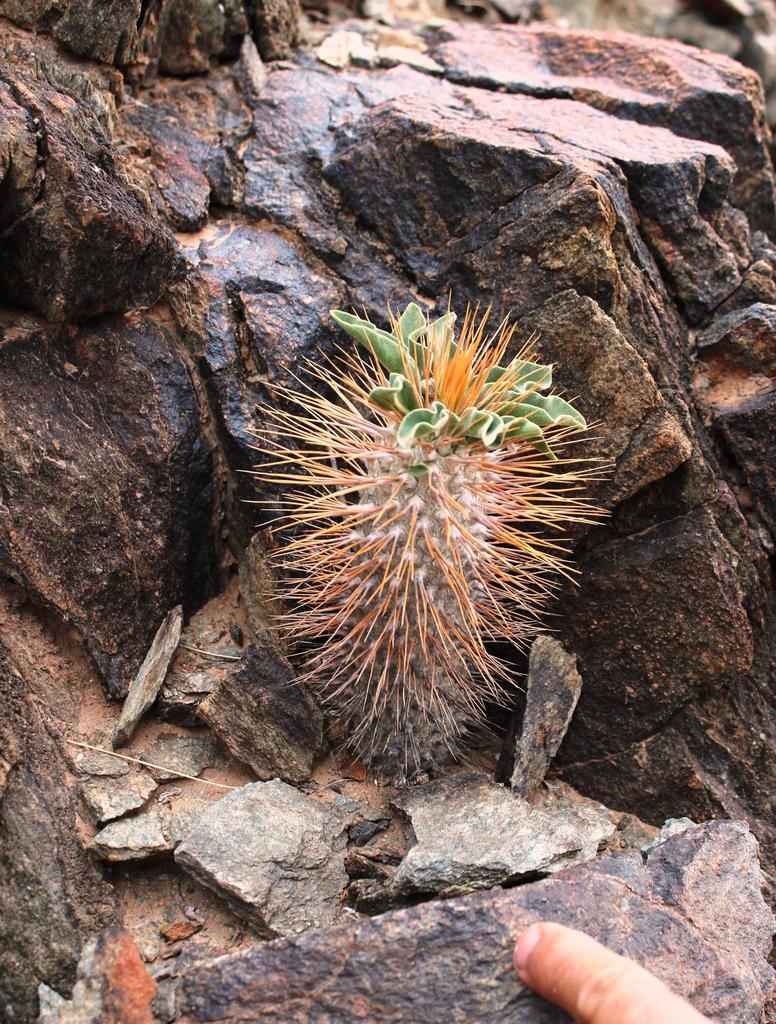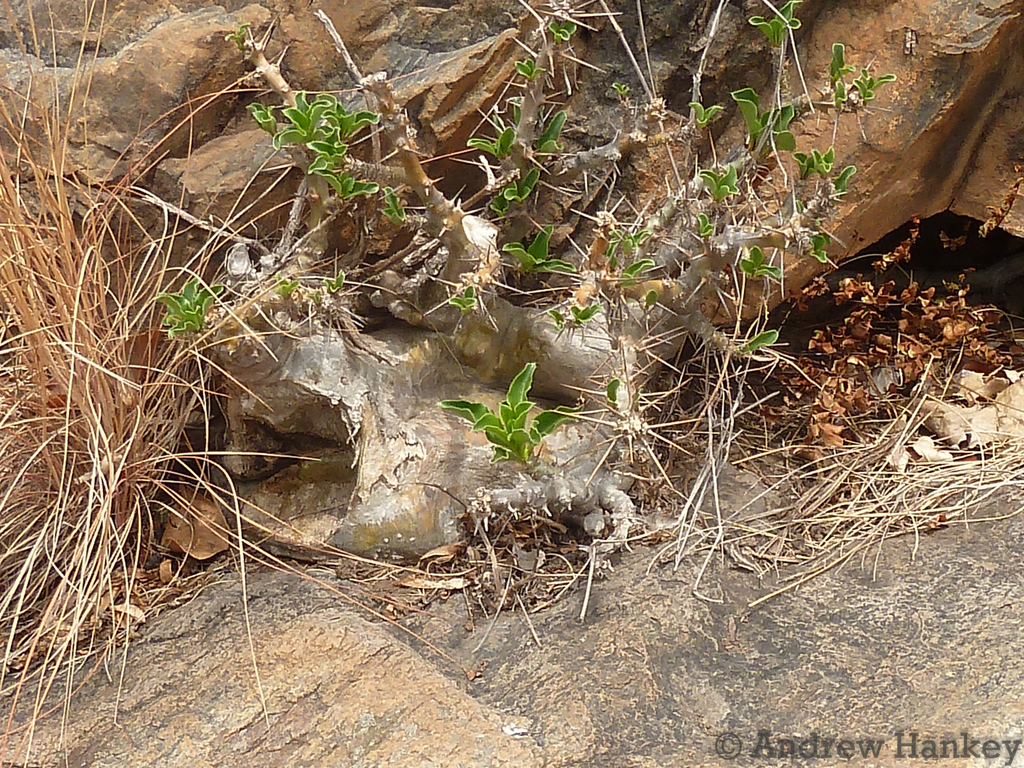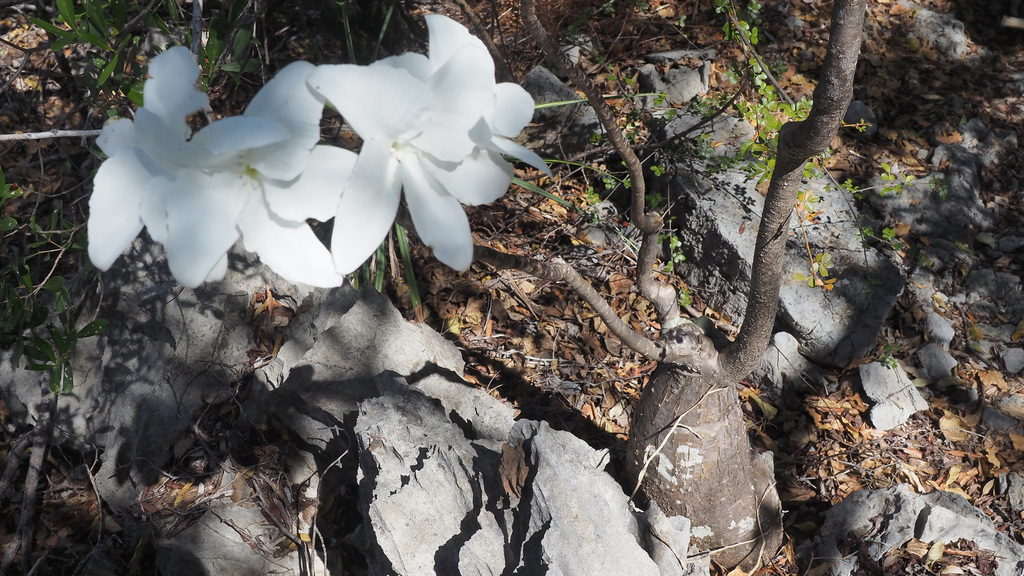
A small-to-medium rare species restricted to the limestone tsingy around Ankarana National Park in northern Madagascar, described by Henri Poisson in 1917 and named for Raymond Decary, the French botanist who documented so much of Madagascar's flora. It puts up short branches from a partly buried caudex and bears the genus's largest white flowers — broad pure-white petals with a faintly yellow throat — while the spines are reduced to almost nothing, giving it an unusually smooth, sculptural look. The natural range is extremely narrow, and the species is listed on CITES Appendix I, the strictest international trade tier; supply on the seed market is correspondingly thin, and P. decaryi has long been a quietly coveted collector's piece.
Native climate
Rain concentrates in the one season, with a distinct dry season. Overall a hot climate.
A broad-scale picture of the native range. Real growing spots — rock crevices, fog belts — can be milder.
Sources: climate & elevation WorldClim 2.1 (1970–2000) · occurrences GBIF · native range POWO · current weather Open-Meteo
Care
Light & Placement

Native to the strong-sun, fast-draining limestone tsingy outcrops of Ankarana in northern Madagascar, this species thrives in bright direct light. Place it outdoors in full sun through the growing season — strong light tightens the caudex and keeps the branches short and compact. In Japan's hottest, most humid weeks of midsummer, light shading around 20–30% with steady airflow protects the foliage from scorch and stagnant heat. Keep pots up off the ground on a rack and run an air circulator. Coming from the warm north, it is more cold-sensitive than most Pachypodium, so move it indoors early to a bright window kept above 8°C and overwinter largely dry.
Watering
In active growth, water thoroughly once the surface has dried — this fattens the partly buried caudex. It hates stagnant moisture, so avoid long rainy spells. Through winter dormancy, a small monthly sip is plenty.
Substrate
Drainage and aeration first, with an inorganic mix. Akadama : Kanuma : pumice = 4:3:3 is a reliable baseline; leaning heavier on pumice mirrors its limestone substrate. A taller pot encourages clean wet-dry cycles.
Fertilizer & Supplements
A dilute liquid feed about once a month in active growth, or a pinch of slow-release at repotting. Overfeeding causes etiolation and root rot and dulls the clean white of the flowers — keep it light, aim for slow density.
Temperature & Overwintering
Optimal 22–35°C — warm-loving and one of the more cold-sensitive Pachypodiums, with an 8°C winter floor. Bring indoors early and overwinter essentially dry; damp soil under cold quickly triggers rot. In peak summer, light shade and airflow shed heat.

Starting from Seed
Where to source seeds
Pre-sowing treatment
Soak seeds for about half a day in a mix of a registered seed-treatment fungicide (Benlate or Daconil) and a plant tonic (SUPERthrive), each diluted per label. Ones that don't sink usually point to stale stock; supply is limited and freshness has a strong effect on results, so source new-harvest seed whenever possible.
Substrate
Use a separate seedling mix that's fine-grained and near-sterile: fine Akadama, fine Kanuma, and vermiculite in equal 1:1:1 parts. Sterilize the mix with boiling water or a quick microwave pass before sowing for peace of mind.
Sowing method
Sow with no covering, or only the thinnest dusting of substrate so the seeds remain partly visible. Space seeds at least 1 cm apart and arrange them so they don't clump together or overlap on the surface.
Light & temperature
Keep the tray in bright shade at a steady 25–30°C. Expect germination in 7–21 days. Germination depends heavily on seed freshness, and even fresh seed stays on the lower side. Be patient and don't give up early.
Watering
Bottom-water with the level 1–2 cm up the pot. For the first 2–3 weeks, prioritize not letting things dry out at all, then drop the water level gradually once the seedlings come up.
Fertilizer
No feeding right after germination. Once the true leaves emerge, give a heavily diluted liquid fertilizer about once a month — keep it lighter than label strength to avoid pushing the seedlings into etiolation.
From Germination to Repotting
Germination through true leaves (first month)
Keep up the bottom watering to hold humidity. Avoid strong light and keep the seedlings in bright shade.
Weaning off bottom watering (months 1–2)
Lower the water level gradually, finally switching to bottom watering from a saucer. Letting them dry out abruptly will kill them.
First repotting (years 1–2)
The right time is once roots reach the bottom of the pot. As the caudex starts to show, move the seedling into a normal inorganic-based mix.
Common Pitfalls
Mold & damping-off
- Cause: contaminated substrate, excessive moisture, poor ventilation
- Prevention: sterilize the substrate, change the bottom water frequently, use an air circulator for ventilation
Etiolation
- Cause: insufficient light
- Prevention: bring the LED closer right after germination, or move the seedlings to bright shade outdoors
Seeds fail to germinate
- Cause: old seeds, insufficient temperature
- Prevention: choose a trusted source, stabilize temperature with a heat mat
Seedlings die soon after germination
- Cause: abrupt strong light, abrupt drying
- Prevention: change conditions gradually — acclimate over the course of a week
Notes
A CITES Appendix I species. The sap is mildly toxic.