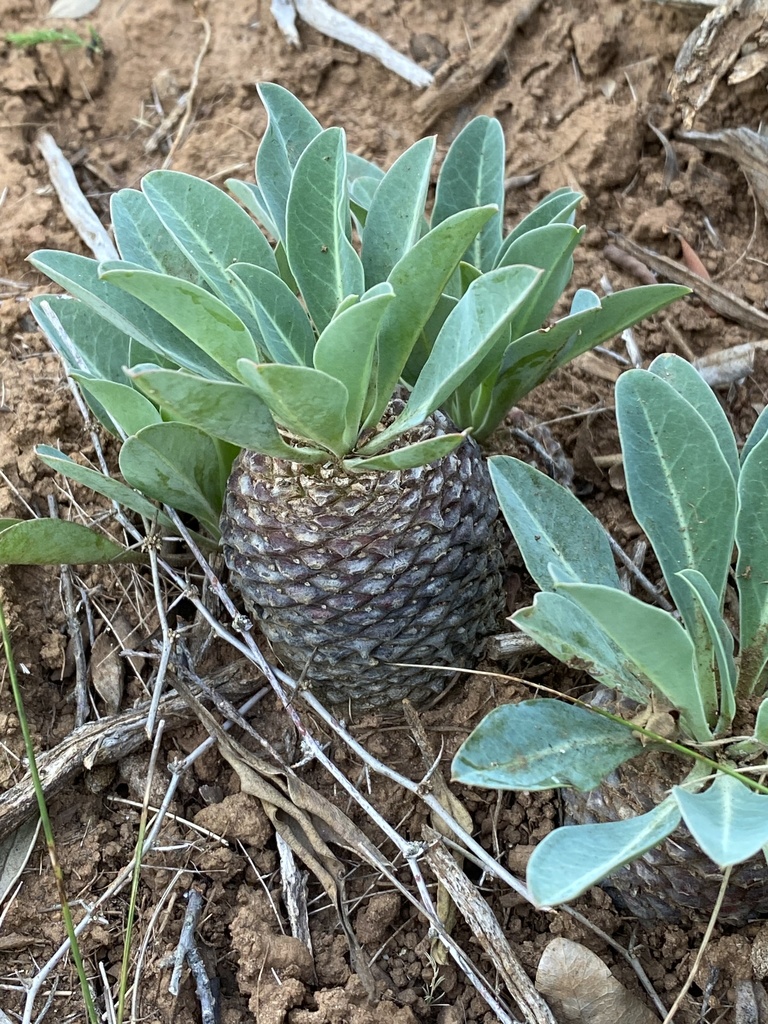
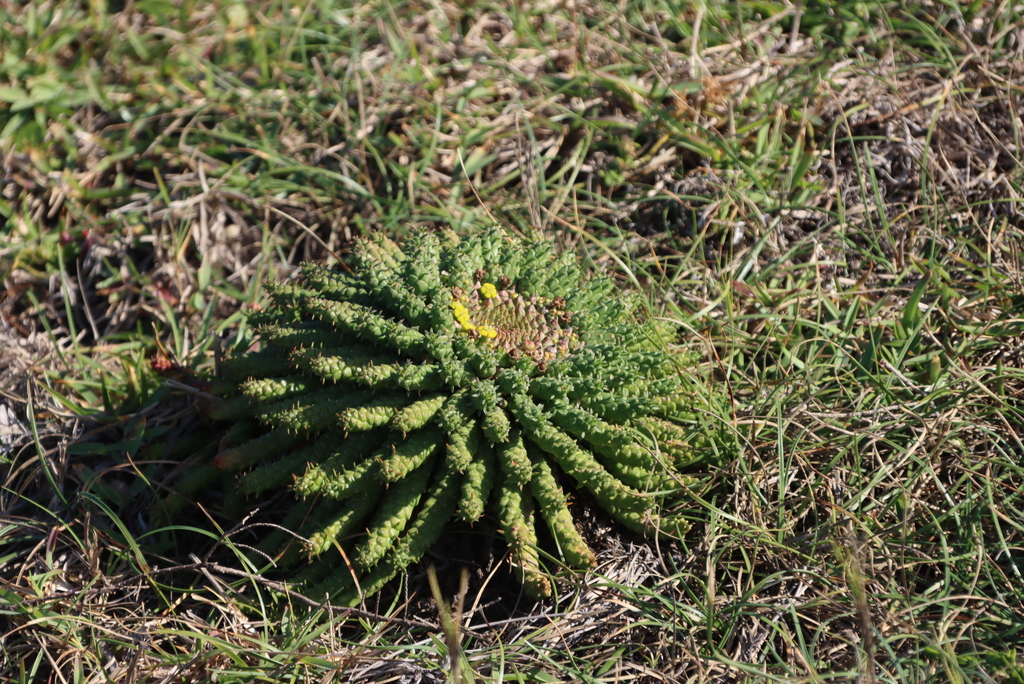
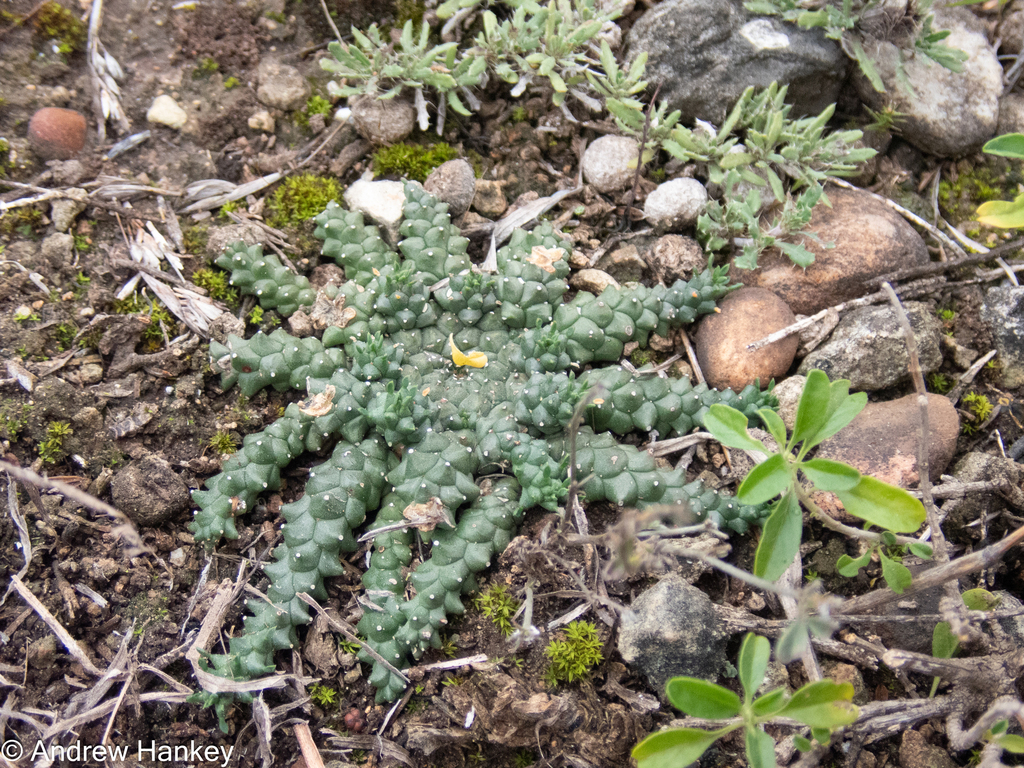
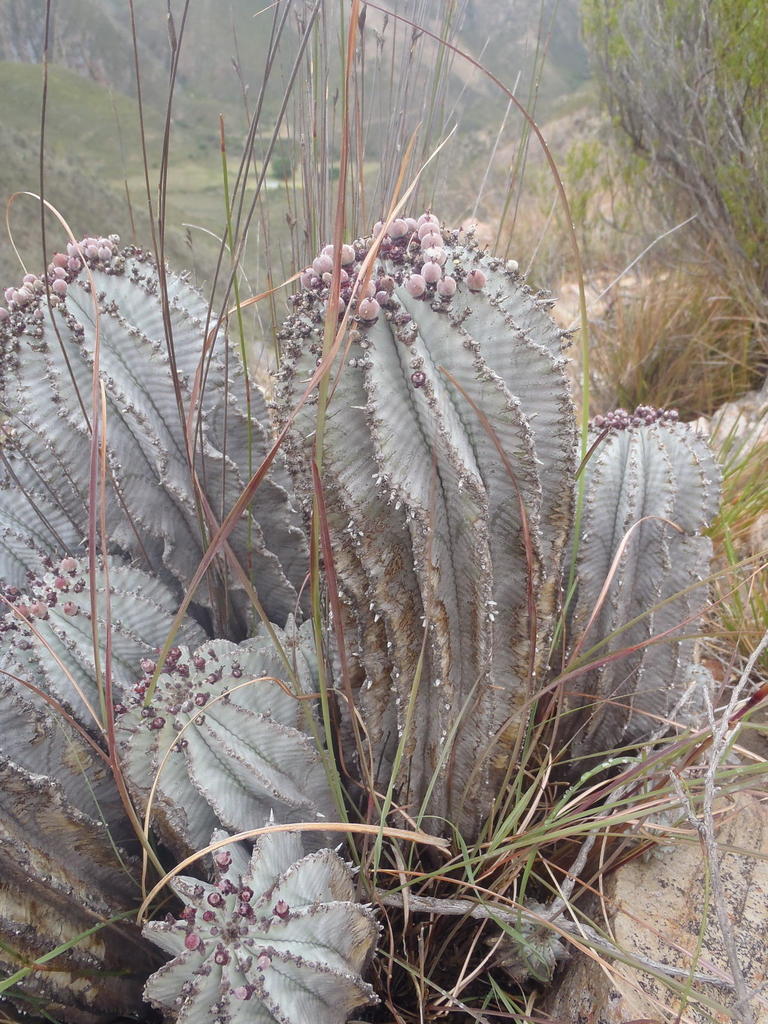
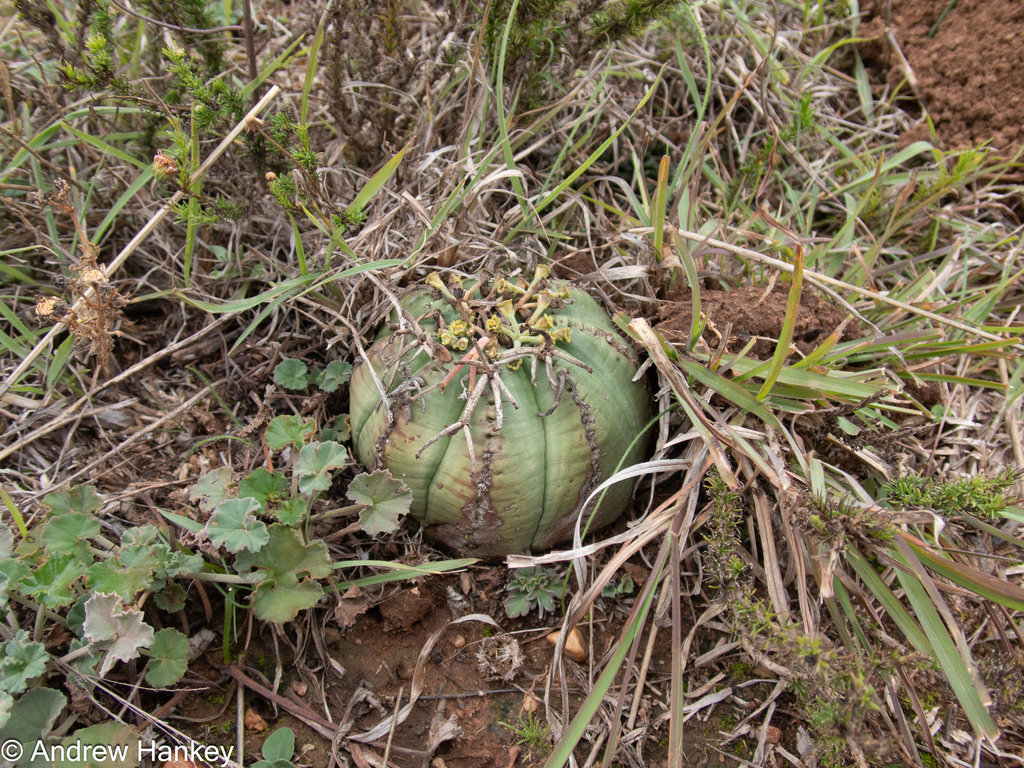
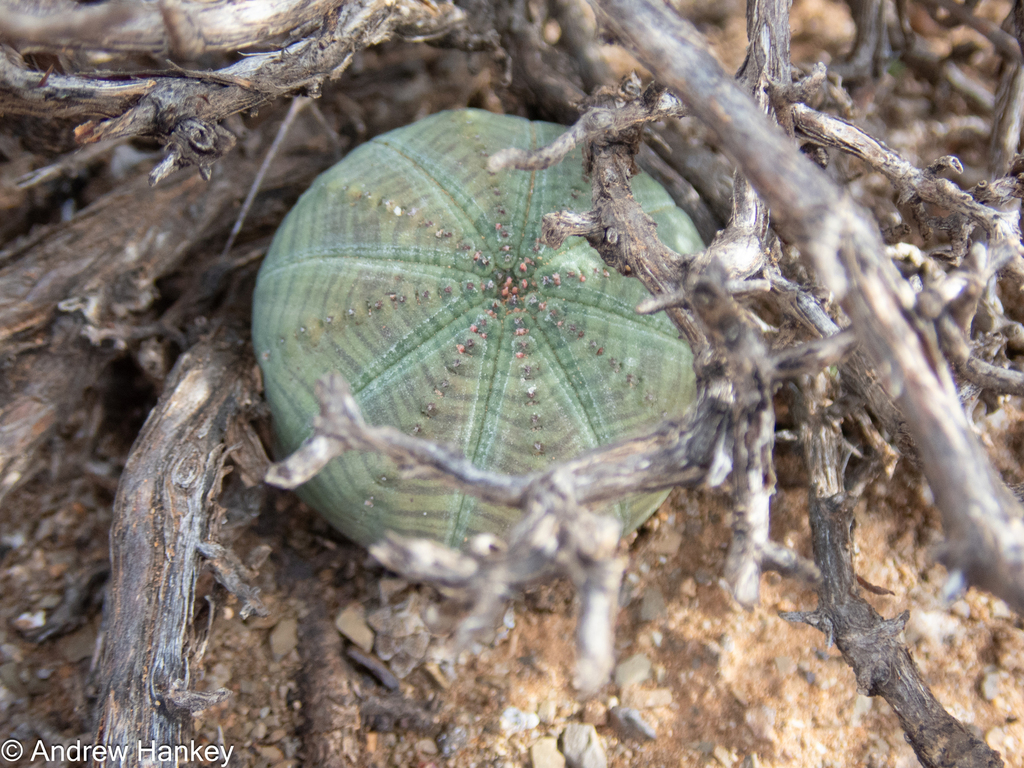
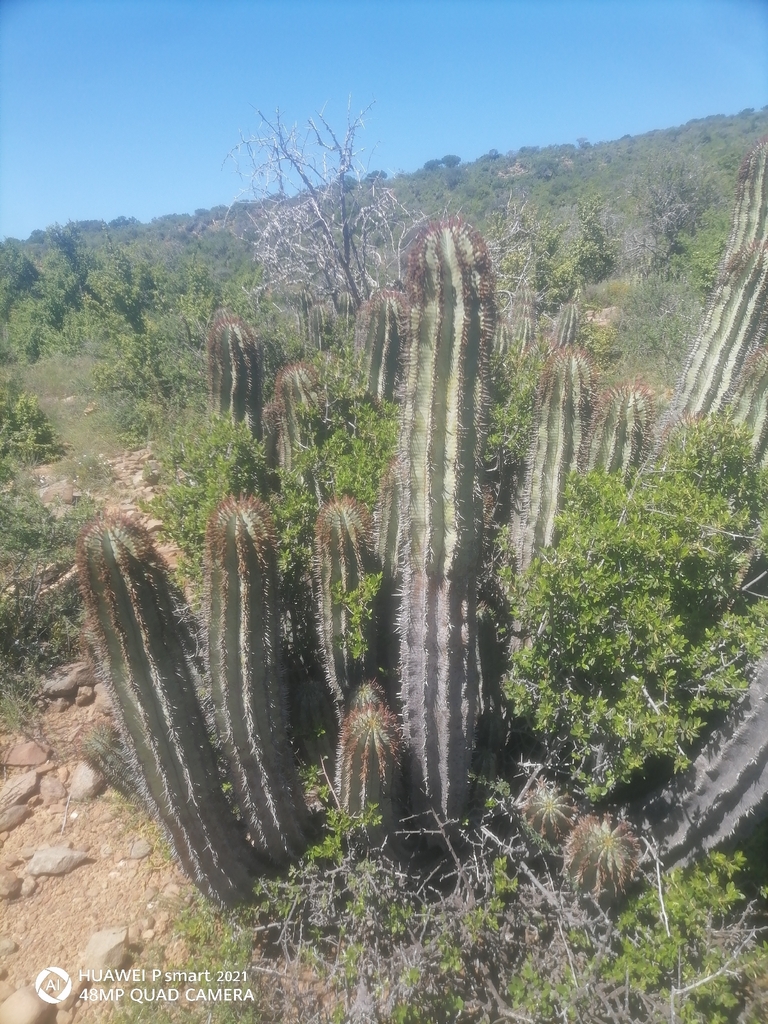
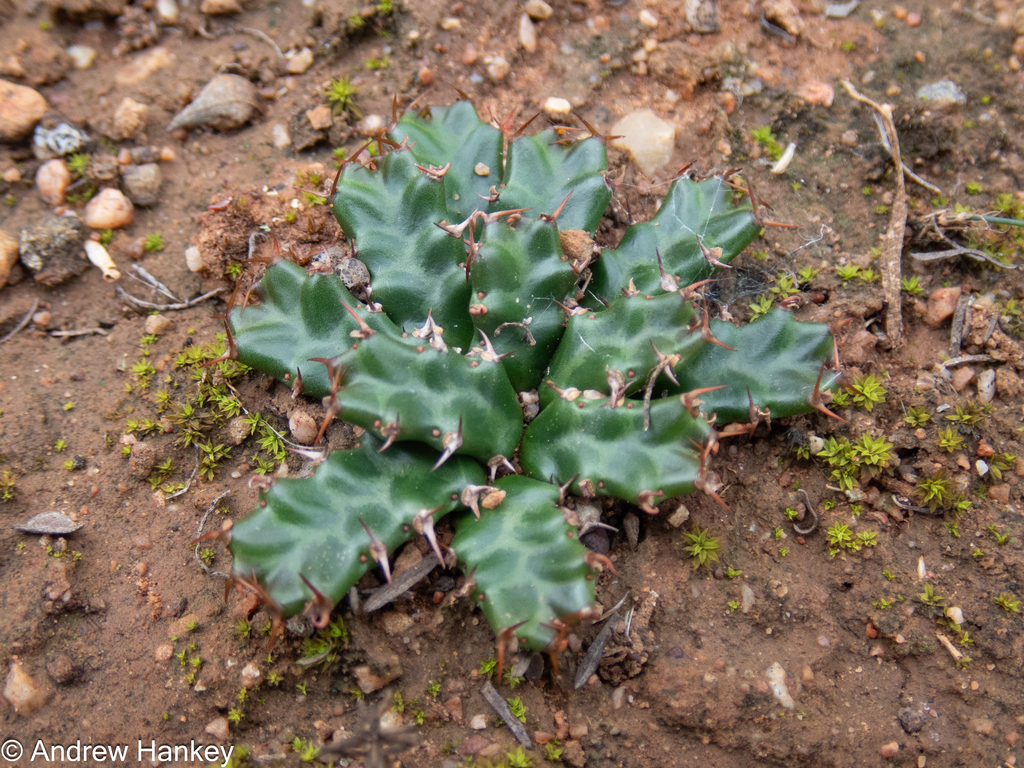
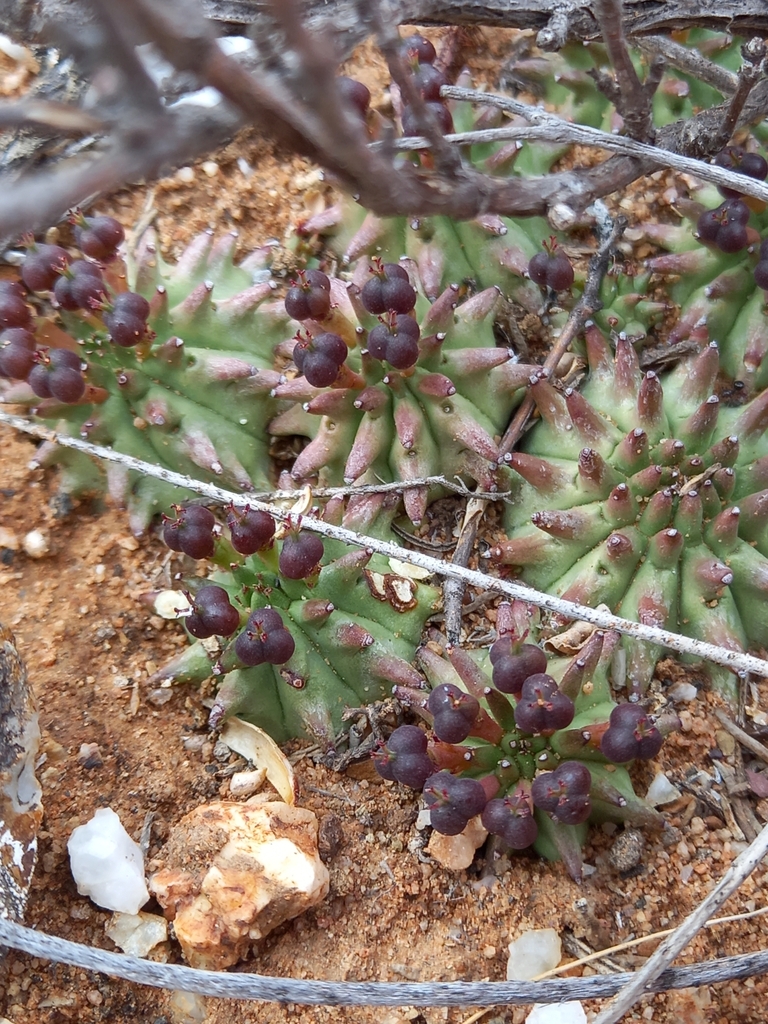
A small tuberous Euphorbia from a very limited area of the spiny forest in southern Madagascar's Anosy region. From a short underground tuber it sends out slender, cylindrical leaves that lie low and spread in a radiating, cushion-like mound across the ground. It grows in the well-drained sandy soil at the foot of the thorny Alluaudia woodland, and it is a summer grower. The variety var. tuberifera, which swells a fat tuber readily, is the most sought after — seed-grown plants build a rounded caudex the size of a fist. The whole genus section sits on CITES Appendix I, a strictly regulated group, so trade in wild plants is essentially prohibited. Almost everything in circulation is seed-raised or nursery-grown.
Native climate
Rain concentrates in the warm season, with a distinct dry season. Overall a warm climate.
* Accurate distribution data is scarce for this species, so these values are taken from the climate near the approximate center of its native range instead.
Sources: climate & elevation WorldClim 2.1 (1970–2000) · occurrences GBIF · native range POWO · current weather Open-Meteo
Care
Light & Placement

In the open thorn forest it grows under strong sun and a sharply divided wet-and-dry climate, so in the growing season it likes a bright, well-ventilated spot. Outdoors, shade it only 30–40% through the peak of the Japanese summer to prevent mild leaf scorch; otherwise half a day or more of direct sun keeps the slender branches tight and discourages stretching. Raise the pot off the ground on a bench and keep it out of the rain. In winter bring it to a bright indoor windowsill and keep it on the dry side, with 10°C as the lower guide. Its habitat sits at low elevation, and for a Madagascan plant it is on the cold-sensitive side.
Watering
In the growing season water thoroughly once the soil has dried out completely, then let it dry again. Prolonged rain, and cold with wet soil in winter, lead straight to rot in the tuber, so shelter it from rain. Once it has dropped its leaves and gone dormant, keep it nearly dry, misting only once or twice a month.
Substrate
Drainage comes first; build the mix around inorganic grit. A base of akadama (small grade), kanuma (small grade) and pumice at 4:3:3 works well. A little slow-release fertilizer such as Magamp K steadies early growth. Use a deep pot to keep the wet-and-dry swing clear.
Fertilizer & Supplements
A small amount of slow-release fertilizer in the growing season, plus a dilute liquid feed about once a month (diluted to twice the label rate or more), is plenty. Overfeeding stretches the branches and breaks the cushion-like form. Fatten it up slowly and sparingly.
Temperature & Overwintering
The optimal range is 20–32°C, with 10°C as the lower guide. It is more cold-sensitive than the South African species in the genus, and branch tips tend to take damage around 5°C. From autumn, taper off the water gradually and overwinter it dry on a bright indoor windowsill.

Starting from Seed
Where to source seeds
marks a direct product page; the rest are scientific-name searches. Stock moves quickly, so check again at the link.
Pre-sowing treatment
Soak the seeds for about half a day in a solution of fungicide (such as Benlate or Daconil 1000) and a tonic such as SUPERthrive, mixed at the recommended dilution. Seeds that float tend to be empty inside. Seed of this species is scarce to begin with, so it is safest to sow it as soon after receiving it as you can.
Substrate
Prepare a separate, fine-grade, near-sterile mix for seedlings. Akadama (fine), kanuma (fine) and vermiculite at 1:1:1, sterilized beforehand in the microwave or with boiling water.
Sowing method
Leave the seed uncovered, or under only the thinnest dusting that half-hides it. Space the seeds at least 1 cm apart and lay them out without crowding or overlap.
Light & temperature
Hold a steady 25–30°C in bright shade. Germination takes 7–21 days. Germination depends heavily on seed freshness, and even fresh seed stays on the lower side.
Watering
Stand the pot in 1–2 cm of water from below. For the first two to three weeks, keep it from drying out; once germination is even, lower the water level in stages.
Fertilizer
None right after germination. Once the true leaves open, a dilute liquid feed once or twice a month — diluted to twice the label rate or more — given very sparingly is the safe approach.
From Germination to Repotting
Germination through true leaves
Keep the water tray; avoid strong light.
Weaning off bottom watering
Gradually, over one to two months.
First repotting
Year one or two, once roots fill the pot.
Common Pitfalls
Mold & damping-off
- Cause: Excess moisture, contamination, poor airflow
- Prevention: Sterilize the mix, change the tray water often, keep air moving with a fan
Etiolation
- Cause: Too little light
- Prevention: Bring the LED closer right after germination, or move to bright shade outdoors
Seeds fail to germinate
- Cause: Stale seed, too little warmth
- Prevention: Choose a reliable source; use a heat mat to steady the temperature
Notes
The sap can strongly irritate skin and eyes. Keep it off your hands and mucous membranes. Wild plants are regulated under CITES Appendix I — source through legitimate channels.