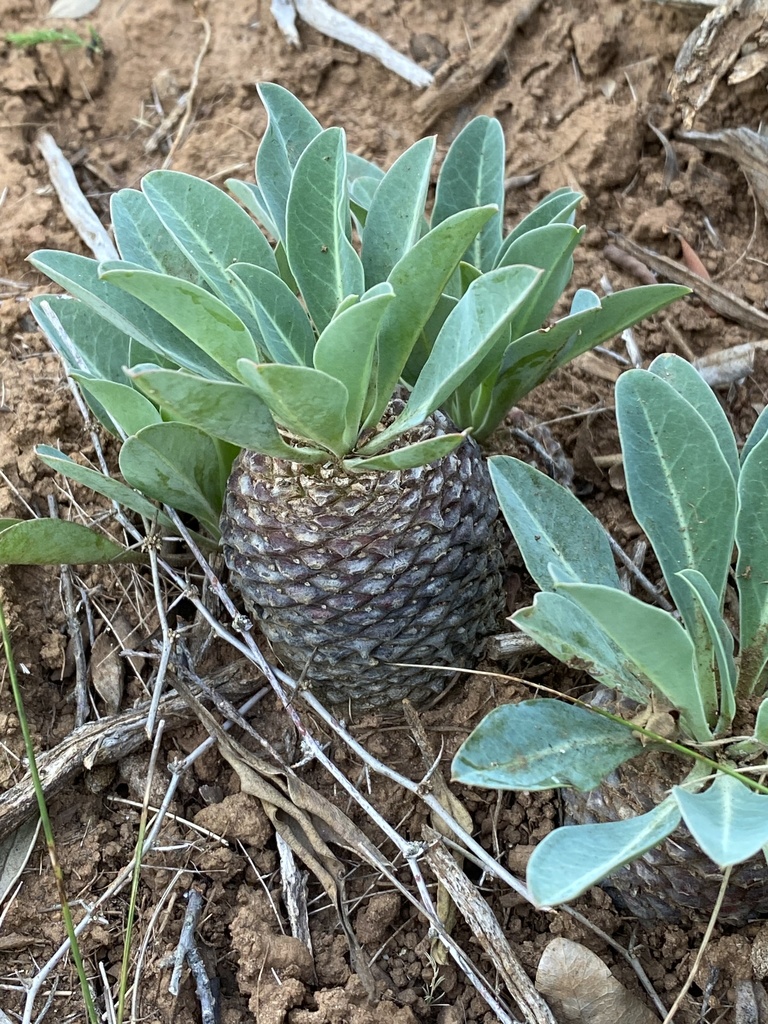
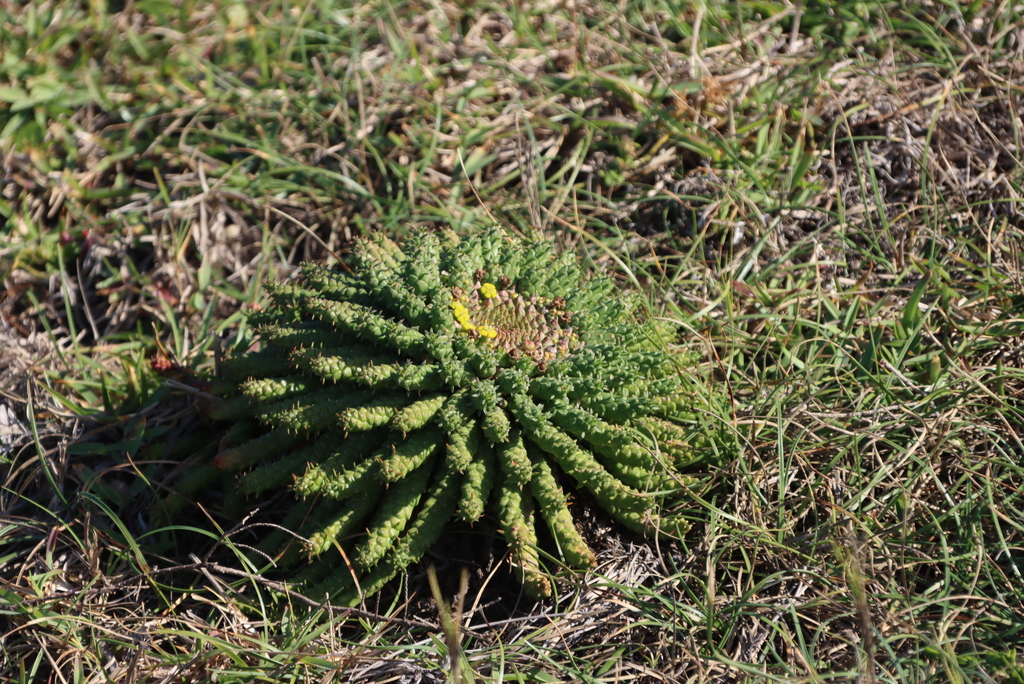
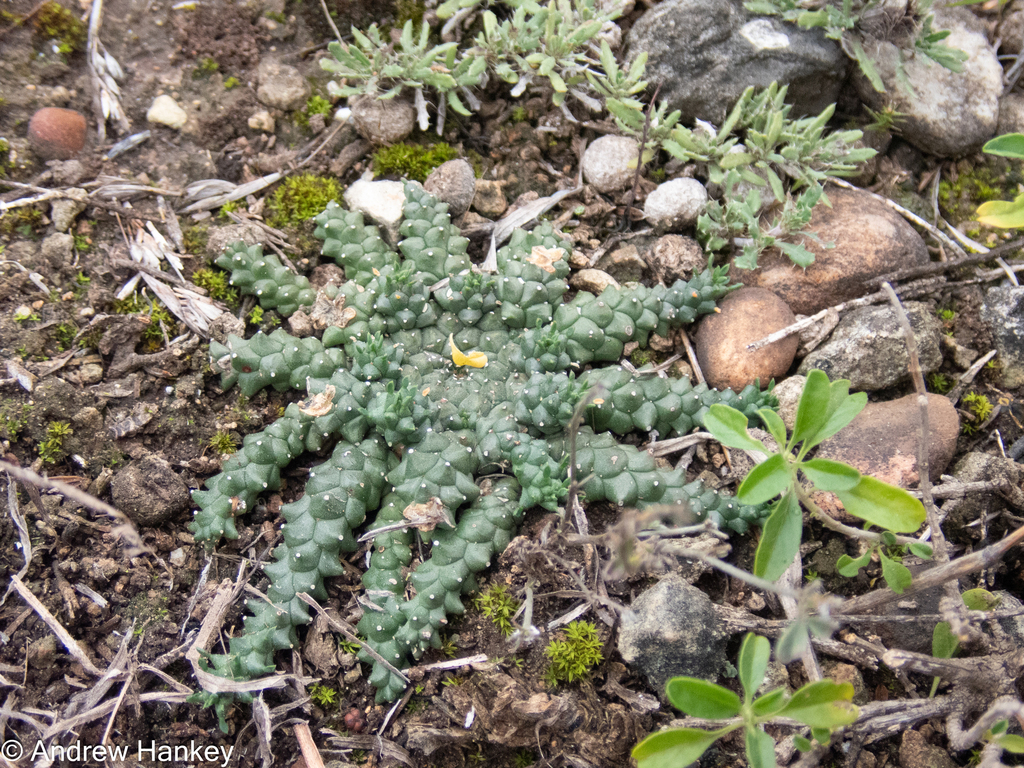
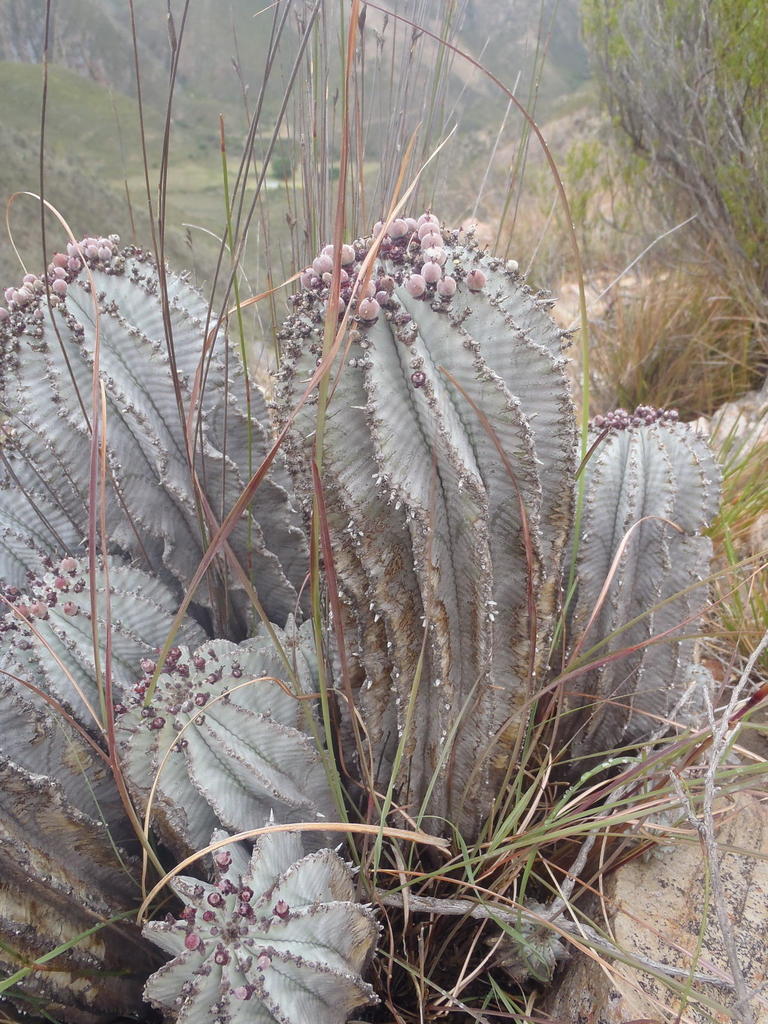
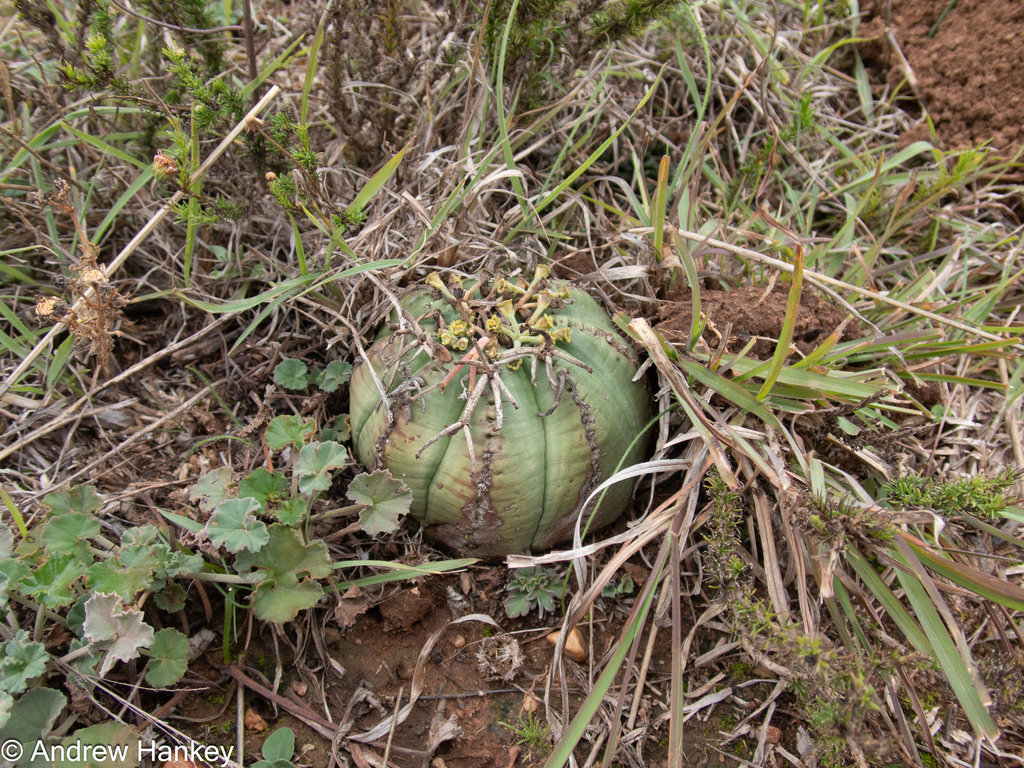
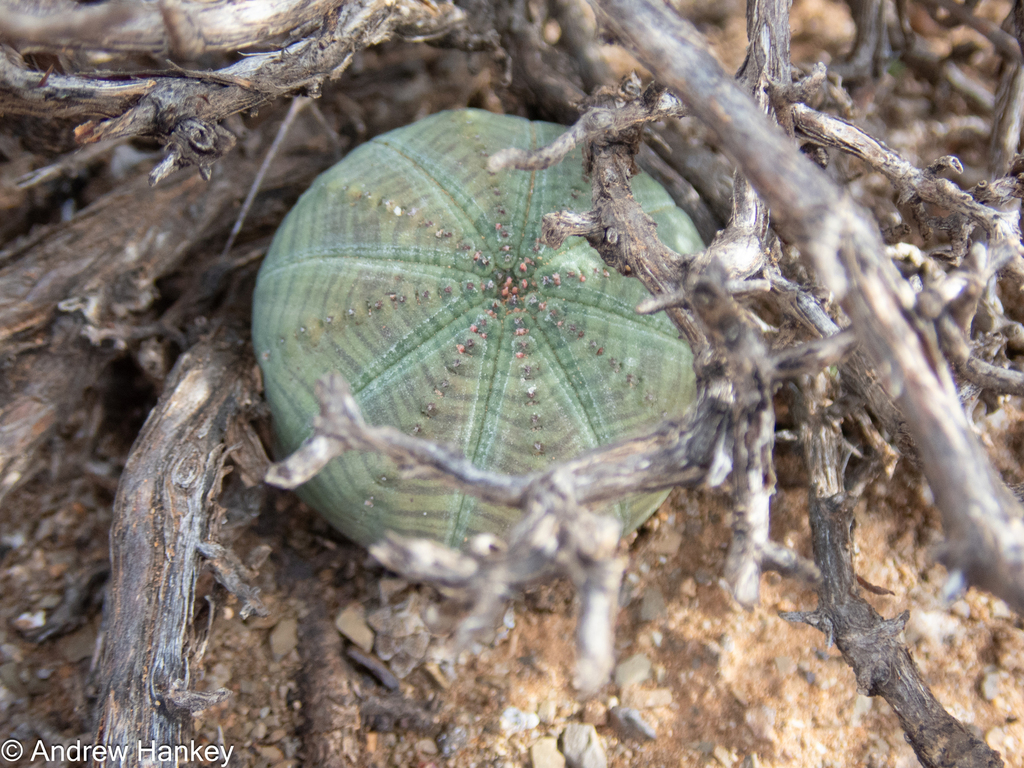
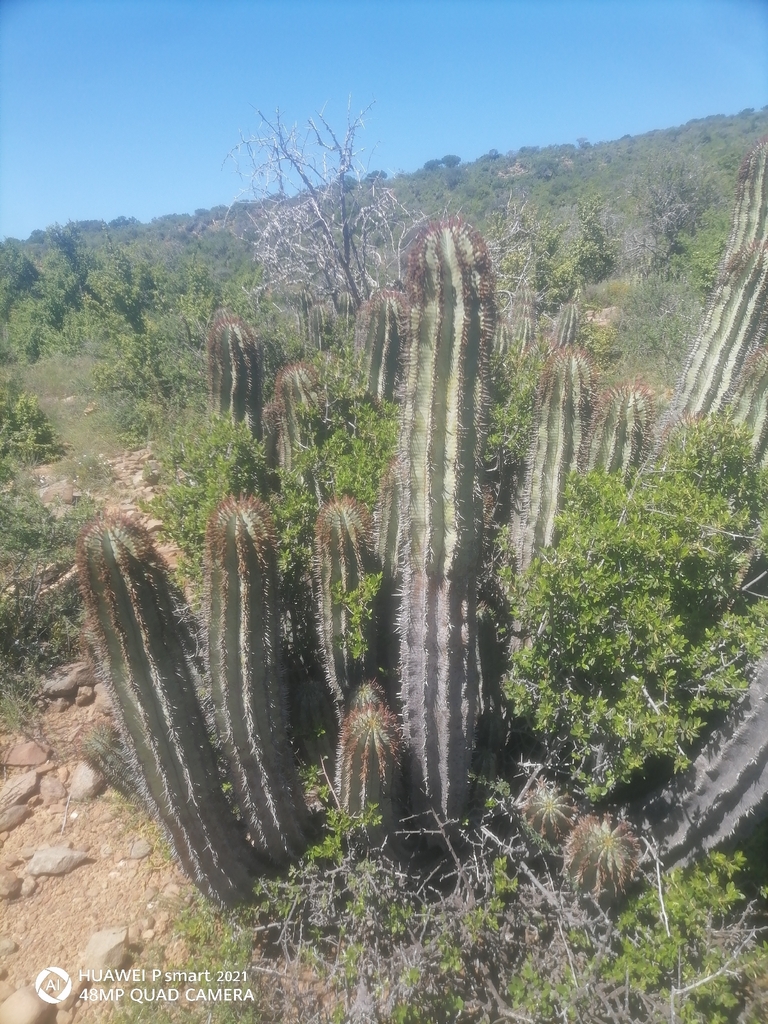
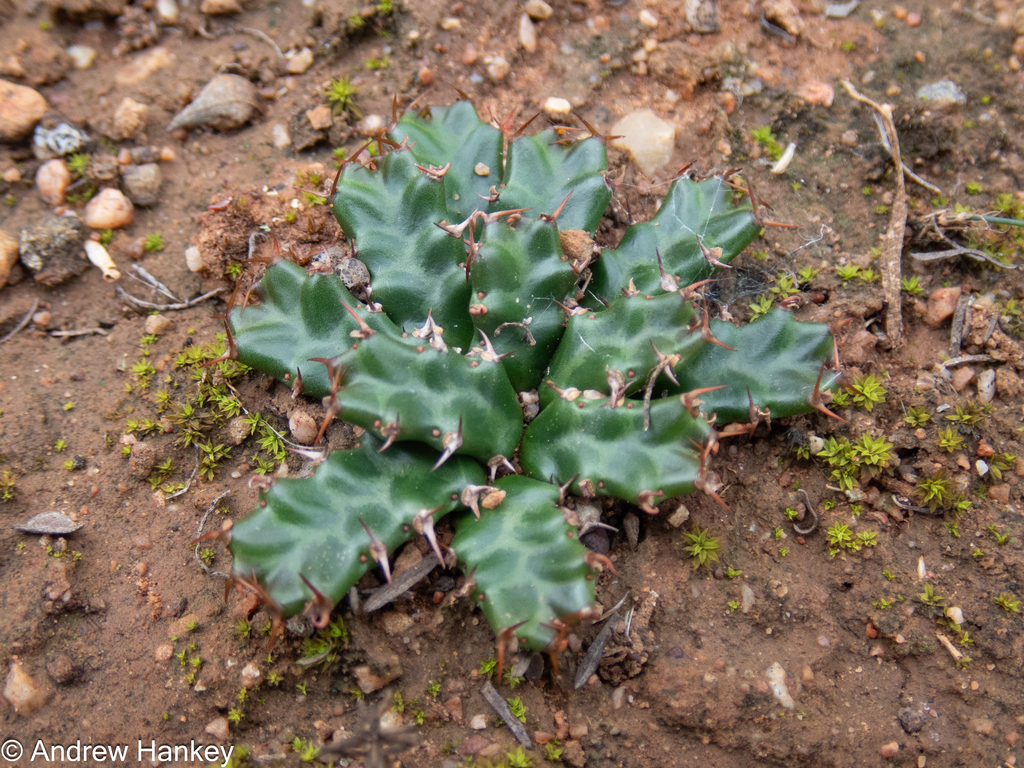
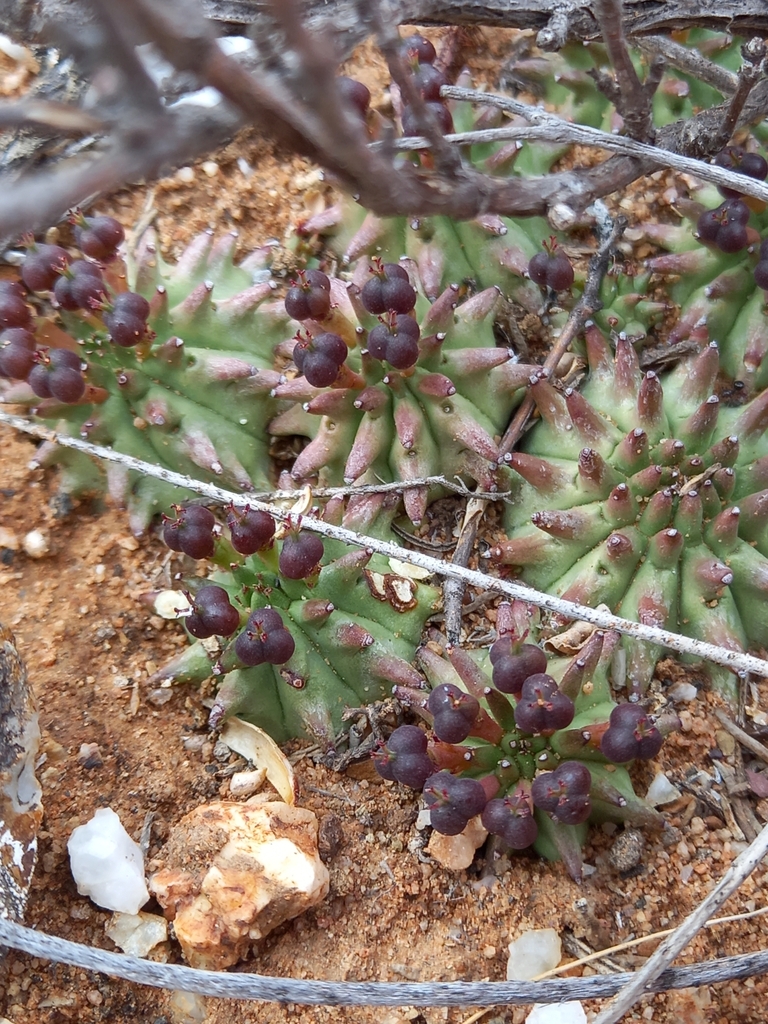
A rare semi-succulent shrublet from the basalt country of Madagascar's northwestern Sofia Region, found only across a small range near Analalava. A slightly woody base swells into a water-holding stem, and in the rainy season it flushes out slim branches, narrow leaves, and bright yellow flower-bracts. Described by Boiteau in 1942 and endemic to a tight pocket of northwestern Madagascar, it is listed as Endangered (EN) on the IUCN Red List. The entire genus Euphorbia sits on CITES Appendix II, so any cross-border movement of plants or seed should go through a registered seller with the proper CITES paperwork. It moves quietly through enthusiast circles, almost always as seed-grown stock.
Native climate
Rain concentrates in the one season, with a dry season of roughly 5 months. Overall a hot climate.
* Accurate distribution data is scarce for this species, so these values are taken from the climate near the approximate center of its native range instead.
Sources: climate & elevation WorldClim 2.1 (1970–2000) · occurrences GBIF · native range POWO · current weather Open-Meteo
Care
Light & Placement

Native to the strong sun and sharp wet–dry seasons of northwestern Madagascar, it does best in bright airflow during the growing season. Outdoors, give it half a day or more of direct sun — only Japan's peak summer needs a light 30–40% shade to avoid scorch. Keep the pot raised off the ground for airflow, and shelter from rain as a default. In winter, bring it to a bright indoor window, kept on the dry side, with a 10°C floor. Its native ground sits at low elevation, and within the genus it leans cold-sensitive — close to 5°C, branch tips and leaves are prone to damage.
Watering
In active growth, water thoroughly after the substrate has fully dried, then let it dry again. Prolonged rain or the combination of cold and damp soil in winter goes straight to caudex rot, so shelter it from rain. Once leaves drop in dormancy, taper to a light misting once or twice a month.
Substrate
Drainage above all, in an inorganic mix. Small-grain Akadama : Kanuma : pumice = 4:3:3 is a reliable baseline. A pinch of slow-release such as Magamp K helps early growth, and a taller pot improves the wet–dry cycle.
Fertilizer & Supplements
A small amount of slow-release in active growth, plus a monthly dilute liquid feed (around twice the label dilution). Overfeeding stretches the branches and softens the swollen base — aim for slow, dense growth.
Temperature & Overwintering
Optimal 20–32°C, with a 10°C winter floor. It is more cold-sensitive than its South African cousins; near 5°C the branch tips tend to suffer. From autumn, taper water in stages and overwinter fully dry on a bright indoor window, out of rain.

Starting from Seed
Where to source seeds
Pre-sowing treatment
Soak seeds for about half a day (overnight) in a mix of a registered seed-treatment fungicide (Benlate or Daconil) and a plant tonic (Menedael; outside Japan, SUPERthrive or a chelated iron / seaweed extract works similarly), each diluted per label. Floaters are usually empty. Seed of this species is scarce on the market, so sow as soon after arrival as you can.
Substrate
Use a separate seedling mix that's fine-grained and near-sterile: fine Akadama, fine Kanuma, and vermiculite in equal 1:1:1 parts. Sterilize the mix with boiling water or a quick microwave pass before sowing.
Sowing method
Sow with no covering, or only the thinnest dusting of substrate so the seeds remain partly visible. Space them at least 1 cm apart so they don't clump or overlap on the surface.
Light & temperature
Keep the tray in bright shade at a steady 25–30°C. Expect germination in 7–21 days. Germination depends heavily on seed freshness, and even fresh seed stays on the lower side.
Watering
Bottom-water with the level 1–2 cm up the pot. For the first 2–3 weeks, prioritize not letting things dry at all, then drop the level in steady stages once the seedlings have come up.
Fertilizer
No feeding right after germination. Once the true leaves emerge, give a heavily diluted liquid fertilizer once or twice a month — go lighter than the label suggests for safety.
From Germination to Repotting
Germination through true leaves
Continue bottom watering and avoid strong light.
Weaning off bottom watering
Wean off gradually over 1–2 months.
First repotting
In year 1 or 2, once the plant becomes root-bound.
Common Pitfalls
Mold & damping-off
- Cause: Excess moisture, contamination, poor airflow
- Prevention: Sterilize the substrate, change bottom-water often, run a fan for airflow
Etiolation
- Cause: Insufficient light
- Prevention: Move the LED closer right after germination, or move outdoors to bright shade
Seeds fail to germinate
- Cause: Stale seeds, insufficient temperature
- Prevention: Source from a trusted seller and use a heat mat to hold temperature
Notes
The latex can be strongly irritating to skin and eyes — take care with hands and mucous membranes. Wild-collected plants fall under CITES Appendix II; source through proper channels.